This article contains affiliate links. We may earn a commission at no extra cost to you if you make a purchase through our links.
Introduction
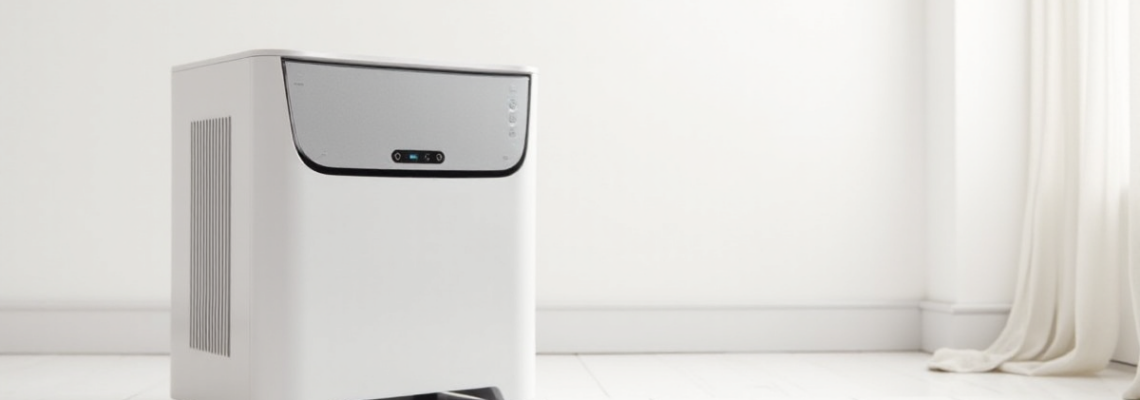
For individuals with allergies or households with pets, poor indoor air quality can significantly impact daily comfort and health. Airborne allergens like pollen, dust mite debris, and microscopic pet dander particles create a constant source of irritation. A high-quality air purifier is an effective tool for removing these pollutants, providing relief from symptoms like sneezing, itchy eyes, and congestion.
However, not all air purifiers are created equal. Selecting the wrong model can lead to wasted money and disappointing results. An undersized unit will not clean the air effectively, while a poorly designed one might miss key allergens or produce irritating ozone.
🔒 Protect Your Privacy Online
Get up to 80% off NordVPN — the #1 rated VPN service
Get NordVPN Deal →This guide will explain the critical technical specifications and features you need to evaluate. We will cover filtration efficiency, proper room sizing, noise levels, and essential features for managing pet-related allergens. By understanding these factors, you can make an informed purchase that directly addresses your specific air quality needs.
1. Understand Filtration: The Core of Purification
The filter system is the most important component of an air purifier. For allergy and dander relief, a true HEPA filter is non-negotiable. True HEPA (High-Efficiency Particulate Air) filters are certified to capture 99.97% of particles as small as 0.3 microns. This size range includes most allergens, such as pollen, mold spores, dust mite waste, and a significant portion of pet dander.
Be aware of marketing terms like “HEPA-type” or “HEPA-like.” These filters do not meet the same rigorous standard and offer lower efficiency. Look specifically for “True HEPA” or “HEPA H13/H14” in the product specifications.
Pair a True HEPA filter with a robust pre-filter. A good pre-filter captures larger particles like pet hair and lint, protecting the more expensive HEPA filter and extending its lifespan. For odors from pets or cooking, an activated carbon filter is essential. This filter uses adsorption to trap gaseous pollutants and volatile organic compounds (VOCs). Look for units with a substantial amount of carbon, measured in pounds, for effective odor control.
2. Match the Clean Air Delivery Rate (CADR) to Your Room Size
The Clean Air Delivery Rate (CADR) is a standardized metric that tells you how quickly an air purifier can deliver clean air. It is measured in cubic feet per minute (CFM) for three pollutants: smoke, dust, and pollen. For allergies, the pollen CADR is the most relevant number to examine.
To be effective, an air purifier must have a CADR rating suitable for your room’s square footage. A common rule is to select a purifier with a CADR at least two-thirds of your room’s area. For a 300-square-foot room, look for a minimum pollen CADR of 200. For optimal performance, choose a CADR equal to the room’s area. An air purifier with a 300 CADR will clean a 300-square-foot room more efficiently.
Do not place a purifier designed for a small bedroom in a large, open-concept living area. An undersized unit will run constantly without achieving meaningful air exchange, wasting energy and providing minimal relief. Always check the manufacturer’s recommended room size and verify it against the CADR ratings from the Association of Home Appliance Manufacturers (AHAM).
3. Calculate Air Changes per Hour (ACH)
While CADR measures speed, Air Changes per Hour (ACH) measures thoroughness. This number indicates how many times per hour the unit can filter the entire volume of air in the room. For allergy sufferers, a higher ACH is better. The Environmental Protection Agency suggests a minimum of 4 ACH for effective allergen reduction.
You can estimate the necessary CADR for a desired ACH with a simple calculation. Multiply your room’s volume (length x width x ceiling height in feet) by your target ACH, then divide by 60. For a 12’x15′ room with 8′ ceilings (1,440 cubic feet) targeting 5 ACH, you need a CADR of at least 120 (1440 x 5 / 60).
This calculation ensures the purifier cycles air frequently enough to capture new allergens introduced continuously. A unit with a high CADR relative to your room size will achieve a high ACH, providing more consistent air quality. Prioritize models that list an ACH of 4 or higher for their maximum recommended room size.
4. Evaluate Noise Levels for Uninterrupted Use
An air purifier must run consistently, often 24 hours a day, to maintain clean air. Therefore, its noise output is a critical factor for comfort, especially in bedrooms or quiet living spaces. Noise is measured in decibels (dB). A typical quiet bedroom at night measures around 30 dB, while normal conversation is about 60 dB.
Look for models that specify noise levels on their lowest and highest fan speeds. A high-quality purifier should operate at or below 25 dB on its quietest sleep mode. This level is barely perceptible and will not disrupt sleep. On its highest setting, expect noise levels between 50-65 dB, similar to background office noise or a dishwasher.
Many modern purifiers feature an automatic mode that adjusts fan speed based on real-time air quality readings. This allows for quiet operation when air is clean and powerful, faster cleaning when pollutant levels rise, balancing performance and noise effectively. Ensure the unit’s noise profile at medium speeds is acceptable for daytime use in your primary living areas.
5. Consider Pet-Specific Features and Maintenance
Households with pets face unique challenges. Pet dander is exceptionally fine, and fur can quickly clog air intakes. Look for designs with intake grilles that are easy to wipe clean and are not prone to trapping hair. Some models feature a dedicated pet allergen mode that optimizes fan and filtration settings for capturing dander.
Filter replacement costs and ease are paramount. Purifiers combating pet hair and dander will require more frequent pre-filter changes. Opt for units with filter replacement indicators and readily available, reasonably priced filter kits. Calculate the annual cost of replacement filters to understand the long-term investment.
Also, consider the unit’s physical placement. Pets may be curious or fearful of new devices. A stable, low-profile design that is difficult to tip over is safer. If you have a cat that likes high places, a top-facing air discharge might deter them from sitting on the unit, protecting both the pet and the purifier.
6. Assess Energy Efficiency and Smart Features
Since air purifiers run continuously, their energy consumption impacts your electricity bill. Look for Energy Star certified models. An Energy Star certified air purifier uses, on average, 40% less energy than standard models. This can save over $50 in electricity costs over the lifetime of the unit.
Smart features can enhance convenience and effectiveness. Connectivity via Wi-Fi allows you to monitor air quality, adjust settings, and receive filter replacement alerts from your smartphone. This is particularly useful for ensuring the unit is operating correctly when you are away from home. Some models can integrate with broader smart home systems or voice assistants.
Real-time air quality sensors and a corresponding color-coded display provide immediate feedback. Seeing the indicator change from red (poor) to blue (good) confirms the unit is working and helps you identify sources of allergens. However, prioritize core performance (CADR, HEPA) over smart features. A connected purifier with inadequate filtration will not solve your allergy problems.
Common Mistakes to Avoid
Choosing Based on Room Coverage Claims Alone
Manufacturers sometimes exaggerate room coverage in marketing materials. A claim of “covers 500 sq ft” may refer to a lower, ineffective fan speed. Always cross-reference the maximum coverage claim with the AHAM CADR rating, which is a verified standard. The CADR number provides a reliable, comparable measure of performance.
Overlooking Ongoing Filter Costs
The purchase price is only the initial cost. Filters for high-performance purifiers, especially those with thick carbon layers, can cost $50-$150 per set and may need replacing every 6-12 months. Failing to budget for this recurring expense can lead to running the unit with a clogged filter, which drastically reduces efficiency and can damage the motor.
Ignoring Ozone Generators
Some air “purifiers” are actually ozone generators, which are explicitly not recommended for allergen removal. Ozone is a lung irritant that can worsen asthma and allergy symptoms. The California Air Resources Board (CARB) certifies air purifiers as ozone-free. Ensure any model you consider is CARB certified, especially if it uses ionic or electrostatic technology.
Placing the Purifier in a Poor Location
Even the best air purifier is ineffective if placed incorrectly. Avoid tucking it into a corner, behind furniture, or under a shelf. These placements restrict airflow. For whole-room cleaning, position the unit in an open area, at least a few feet from walls, and ensure the intake and output vents are unobstructed. Central locations are ideal.
Related Articles
- How to Choose the Right Induction Cooktop for an Apartment Kitchen: A Complete Buyer’s Guide (2026)
- 7 Best Smart Locks for Historic Homes with Unique Door Designs in 2026
- 7 Best Smart Thermostats for Older Homes Without a C-Wire in 2026
🔒 Protect Your Privacy Online
Get up to 80% off NordVPN — the #1 rated VPN service
Get NordVPN Deal →🔒 Stop Reusing Passwords
NordPass generates and stores strong passwords across all your devices.
Try NordPass Free →