This article contains affiliate links. We may earn a commission at no extra cost to you if you make a purchase through our links.
Introduction
Selecting the right toothbrush might seem straightforward, but the market offers more options than ever before. From bristle hardness to brush head size and advanced technology features, each choice impacts your daily oral care routine and long-term dental health. The American Dental Association recommends replacing your toothbrush every three to four months, which means you’ll make this decision multiple times per year.
This guide breaks down the essential factors that should influence your toothbrush selection. Whether you’re dealing with sensitive teeth, gum disease, or simply want to optimize your daily brushing routine, understanding these key considerations will help you choose a toothbrush that meets your specific needs rather than settling for whatever is convenient at the pharmacy.
Bristle Hardness and Material
The bristles are the most important component of any toothbrush, and choosing the right hardness level directly affects your brushing effectiveness and gum health. Bristles come in three main categories: soft, medium, and hard. Soft bristles, typically ranging from 0.2 to 0.3 millimeters in diameter, are the gentlest option and work well for most people, especially those with sensitive teeth or gum recession.
Hard bristles measure around 0.4 millimeters in diameter and provide more aggressive cleaning but can potentially damage gum tissue if you brush with excessive force. The ADA actually recommends soft-bristled brushes for most adults. Medium bristles fall between these two options, offering a balance between cleaning power and gentleness. If you’re unsure which to choose, soft bristles are the safer default unless your dentist recommends otherwise.
Modern bristles are typically made from synthetic materials like nylon rather than natural boar hair, which harbor bacteria more easily. Look for brushes with bristles that have slightly rounded or polished tips, as these cause less gum irritation than sharp, cut bristles.
Brush Head Size and Shape
The size and shape of your brush head influence how effectively you can clean all surfaces of your teeth, particularly the back molars. Standard brush heads measure approximately 20 to 27 millimeters in length and 7 to 8 millimeters in width, making them suitable for most adults. Smaller brush heads, around 15 to 18 millimeters, work better for people with narrow mouths, children, or anyone who struggles to reach difficult areas.
Brush head shape also matters. Rounded, oval-shaped heads reach more tooth surfaces, while smaller rectangular heads offer more precision. Some people find that angled heads or bristle tufts arranged in specific patterns help them clean more effectively. The best approach is to choose a head size that allows you to easily access all areas of your mouth, including the back molars and inner surfaces of your front teeth, without gagging or struggling.
Manual vs Electric Toothbrushes
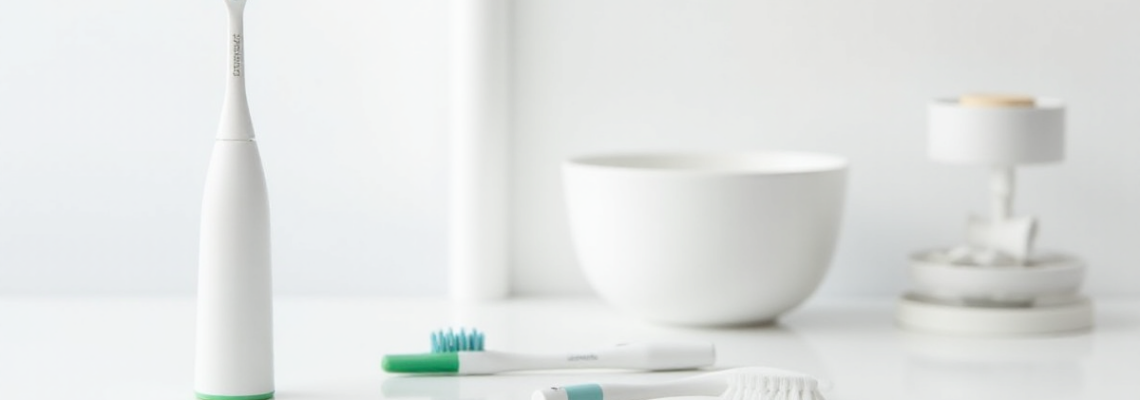
Manual toothbrushes offer simplicity, affordability, and complete control over brushing pressure and technique. They require you to make the correct brushing motions—typically gentle, circular movements at a 45-degree angle to the gum line—which takes practice to master correctly. Studies show that many people don’t brush their manual toothbrushes effectively, missing spots and applying too much pressure.
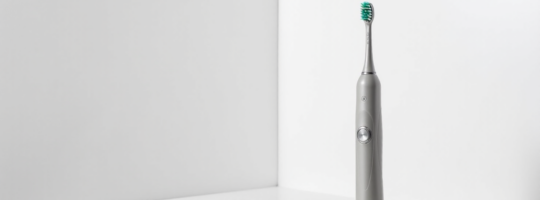
Electric toothbrushes, including oscillating and sonic models, handle much of the brushing motion for you, reducing the skill required to achieve effective cleaning. Oscillating electric brushes typically move at 2,500 to 7,500 strokes per minute, while sonic toothbrushes operate at 30,000 to 62,000 Hz. Research published in dental journals suggests that electric toothbrushes, particularly oscillating types, can be more effective at plaque removal and reducing gum inflammation compared to manual brushing.
Electric toothbrushes cost more upfront and require charging or battery replacement, but many people find they encourage better brushing habits through built-in timers and pressure sensors. The best option depends on your budget, dexterity, and willingness to invest in convenience and potentially better cleaning outcomes.
Handle Design and Comfort
Your toothbrush handle should feel comfortable in your hand and allow precise control during brushing. Look for handles with rubber or textured grips that won’t slip when wet, and ensure the diameter feels appropriate for your hand size. Too-thin handles can cause hand fatigue, while overly thick handles may be difficult to maneuver.
The handle should balance weight distribution so that brushing doesn’t strain your wrist or arm. If you have arthritis or limited dexterity, consider a thicker, ergonomically designed handle or an electric brush that requires less physical effort. Quality handles resist cracking and maintain their grip texture after months of use.
Bristle Density and Pattern
Bristle density—the number of bristle tufts and the thickness of bristles within each tuft—affects cleaning power and comfort. Higher density bristles provide more surface contact with teeth and gums, potentially improving plaque removal. However, extremely dense bristles can be uncomfortable for people with sensitive teeth or gums.
The arrangement of bristle tufts also influences effectiveness. Some brushes feature flat, uniform bristle patterns, while others use multi-level or angled tufts designed to reach different tooth surfaces simultaneously. Look for products that clearly list bristle characteristics. Many good toothbrushes feature bristle density in the range of 30 to 60 tufts across the brush head, with variation in tuft depth to accommodate different tooth surfaces.
Special Features and Dental Considerations
Modern toothbrushes sometimes include additional features designed to address specific dental concerns. Tongue cleaners built into the brush back help remove bacteria that cause bad breath. Gum-care bristle sections feature softer bristles specifically designed for sensitive gums. Some brushes include pressure sensors that alert you if you’re brushing too hard, helping prevent gum damage.
If you have specific dental issues—such as periodontal disease, tight braces, or implants—your dentist may recommend features tailored to those conditions. However, don’t prioritize features over fundamentals. A simple brush with appropriate bristle softness and comfortable handling will outperform a high-tech option that feels awkward in your mouth.
Common Mistakes to Avoid
- Choosing based on appearance alone: While an attractive toothbrush design might make you excited to brush, aesthetics shouldn’t drive your selection. A beautiful brush with hard bristles and an uncomfortable handle will deliver worse results than a plain brush that fits your needs perfectly.
- Assuming harder bristles clean better: Many people believe harder bristles remove more plaque and select hard-bristled brushes without considering the consequences. Hard bristles can damage gum tissue, cause recession, and increase tooth sensitivity over time. Soft bristles clean just as effectively without harming your gums.
- Using the same brush year-round: Your dental needs change seasonally and over years. Gum recession, tooth sensitivity, orthodontic work, or disease can alter which toothbrush works best for you. Reassess your needs periodically and don’t assume your current choice remains optimal forever.
- Ignoring professional recommendations: If your dentist or hygienist recommends a specific type of brush or bristle hardness, follow that guidance. Their recommendations are based on your individual mouth and specific dental health concerns.
Conclusion
Choosing the right toothbrush requires balancing several factors: bristle hardness (soft is usually best), brush head size (standard for most adults), handle comfort, bristle density, and your specific dental needs. There’s no single best toothbrush because individual mouth anatomy, dental conditions, and personal preferences vary significantly.
Start by considering your current dental health and any specific concerns, then prioritize soft bristles and a comfortable grip. If your dentist has made recommendations, follow those first. Because you replace your toothbrush every few months, you have frequent opportunities to refine your selection. Your goal is finding a brush that you’ll actually use correctly for the full two minutes recommended by dental professionals—consistency matters more than having the theoretically perfect brush.
Related Articles
You might also like: 7 Best Budget Laptops Under $600 in 2026: Ranked by Real Users
You might also like: 7 Best Gaming Monitors Under $600 in 2026
You might also like: How to Choose the Right Standing Desk: A Complete Buyer’s Guide (2026)