This article contains affiliate links. We may earn a commission at no extra cost to you if you make a purchase through our links.
Introduction
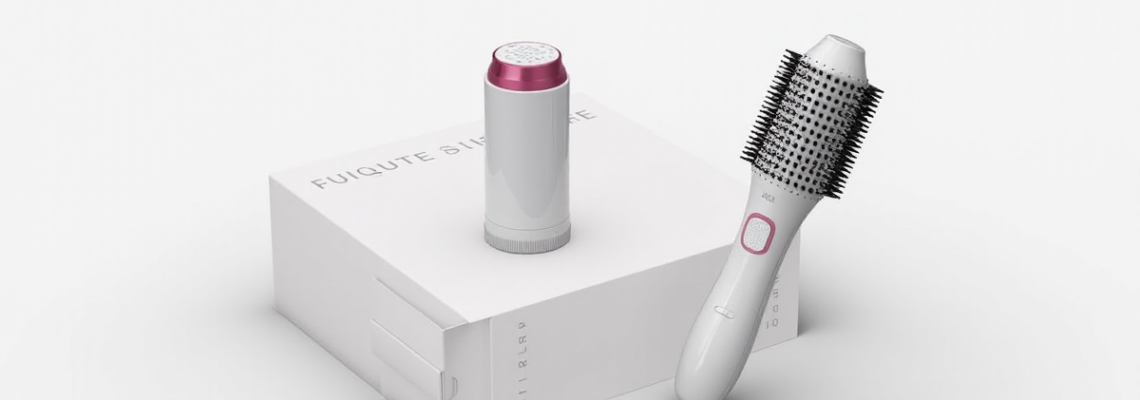
Selecting the right high-tech hairbrush is more than a matter of convenience; it is a critical decision for your hair’s health and appearance. The wrong brush can lead to breakage, split ends, scalp irritation, and lackluster results from your styling efforts. Modern hairbrushes are sophisticated tools engineered with specific technologies to address diverse needs, from frizz control to scalp stimulation.
This guide will help you navigate the key features of high-tech hairbrushes. We will examine how different technologies interact with various hair types and scalp conditions. By understanding these factors, you can make an informed purchase that enhances your daily routine and contributes to long-term hair vitality.
🛡️ Browse Safely with Surfshark
VPN + Antivirus + Ad Blocker — one subscription, total protection
Get Surfshark Deal →Hair Type and Texture
Your hair’s structure is the primary factor in choosing a brush. Fine hair requires gentle handling to avoid breakage, while thick, coarse hair needs more robust bristles to detangle effectively. Curly hair demands a brush that can define curls without causing frizz. Using a brush designed for a different hair type can lead to damage and unsatisfactory styling.
For fine or thinning hair, look for brushes with soft, flexible nylon bristles or boar bristles that provide gentle stimulation without pulling. Medium to thick hair often benefits from a combination of bristle types, such as a mix of nylon pins and boar bristles, to smooth the cuticle and manage volume. For coily or curly textures, wide-tooth detanglers or brushes with widely spaced, flexible bristles are essential to work through knots without disrupting the curl pattern.
Scalp Health and Sensitivity
A healthy scalp is the foundation for healthy hair growth. Many high-tech brushes now include features specifically designed to improve scalp circulation and remove buildup. If you have a sensitive scalp, conditions like psoriasis or dermatitis, or simply want to promote growth, the brush’s interaction with your scalp is a top priority.
Brushes with rounded, ball-tipped bristles are crucial for massaging the scalp without causing scratches or irritation. Some advanced models feature sonic vibration technology, operating at frequencies between 100-200 Hz, to provide a deep, stimulating massage that can increase blood flow. Look for brushes with easily cleanable bristle beds to prevent the accumulation of oils and product residue, which can clog follicles.
Core Technology: Ions, Heat, and Vibration
High-tech brushes derive their benefits from integrated technologies. The most common are negative ion generators, built-in heating elements, and sonic vibration motors. Each technology serves a distinct purpose, and many premium brushes combine two or more for multifaceted results.
Negative ion technology works by emitting trillions of negative ions to break apart positive ion bonds caused by humidity, which is the primary cause of frizz. This results in smoother, shinier hair. Thermal brushes distribute heat evenly, typically between 140°F to 210°F (60°C to 100°C), to help style hair quickly and add shine. Brushes with sonic vibration use gentle pulses to help loosen tangles and stimulate the scalp. Assess which technological benefit aligns with your primary goal: frizz reduction, efficient styling, or scalp care.
Bristle Material and Configuration
The material and arrangement of the bristles determine how the brush interacts with your hair strands. The right configuration detangles, smooths, and adds shine without causing mechanical damage. Common materials include nylon, boar bristle, thermoplastic rubber (TPR), and metal.
Nylon bristles are strong and ideal for detangling thick hair. Boar bristles are excellent for distributing natural oils from the scalp to the ends, adding incredible shine, especially for fine to medium hair types. TPR bristles are soft and flexible, perfect for sensitive scalps and wet detangling. Look for a bristle bed that is vented or has airflow channels if you plan to use the brush with a hairdryer. The density of the bristles should match your hair thickness; densely packed bristles suit fine hair, while wider spacing is better for thick or curly hair.
Heat Settings and Safety Features
If you choose a thermal styling brush, adjustable heat settings and integrated safety mechanisms are non-negotiable. Hair types have different heat tolerances; fine hair can be damaged by high temperatures that are safe for coarse hair. Consistent, even heat distribution is also critical to avoid hot spots that can burn the hair.
A high-quality thermal brush will offer a range of at least three temperature settings. Look for a low setting around 140°F-160°F (60°C-70°C) for fine or damaged hair, a medium setting around 170°F-190°F (75°C-90°C) for normal to thick hair, and a high setting up to 210°F (100°C) for very coarse or resistant hair. Essential safety features include automatic shut-off after a period of inactivity (usually 30-60 minutes) and heat-resistant tips or casing to protect your hands and neck.
Power Source and Portability
The power source affects the brush’s performance and where you can use it. Corded brushes typically offer unlimited runtime and consistent power, which is ideal for longer, more involved styling sessions. Cordless brushes provide greater freedom of movement and are easier to travel with, but they require regular charging and may have less powerful motors or heating elements.
Cordless models are powered by lithium-ion batteries. A good battery should provide a minimum of 30 minutes of continuous use on a full charge. Charging times can vary from 1 to 3 hours. Some brushes offer dual voltage (100-240V) for international travel. Consider your lifestyle: if you style your hair primarily at home, a corded model may be more reliable. If you travel frequently or prefer styling away from an outlet, a cordless brush is the better option.
Common Mistakes to Avoid
Buying based on trends rather than hair needs is a frequent error. A brush popular for creating sleek styles may be too harsh for fine or color-treated hair. Always prioritize your specific hair type and scalp condition over general popularity.
Using the wrong brush on wet hair can cause significant damage. Hair is most vulnerable when saturated with water. Avoid brushes with fine, tightly packed bristles on wet hair. Instead, use a wide-tooth comb or a brush specifically designed for wet detangling, which has flexible, widely spaced bristles.
Ignoring heat settings leads to thermal damage. Using a thermal brush on its highest setting for every hair type will eventually cause dryness and breakage. Always start with the lowest effective temperature and increase only if necessary.
Neglecting to clean the brush reduces its effectiveness and hygiene. Product buildup on bristles can transfer back onto your hair and scalp. Clean the brush weekly by removing hair from the bristles and washing the head with warm water and mild shampoo.
Conclusion
Choosing the ideal high-tech hairbrush requires a thoughtful assessment of your hair type, scalp health, and styling goals. By focusing on the core technologies, bristle design, and safety features that match your specific needs, you can transform a simple tool into a powerful asset for your hair care routine. An informed decision will help you achieve not only your desired style but also contribute to the long-term strength and health of your hair and scalp.
Related Articles
- 7 Best Portable and Cordless Personal Care Devices for International Travel in 2026
- 7 Best Water-Efficient Personal Care Devices for RVs and Boats in 2026
- 7 Best Compact Personal Care Devices for Gym Locker Rooms in 2026
🛡️ Browse Safely with Surfshark
VPN + Antivirus + Ad Blocker — one subscription, total protection
Get Surfshark Deal →🛡️ Total Device Protection
Surfshark Antivirus — lightweight, real-time threat detection on all devices
Get Surfshark Antivirus →