This article contains affiliate links. We may earn a commission at no extra cost to you if you make a purchase through our links.
Introduction
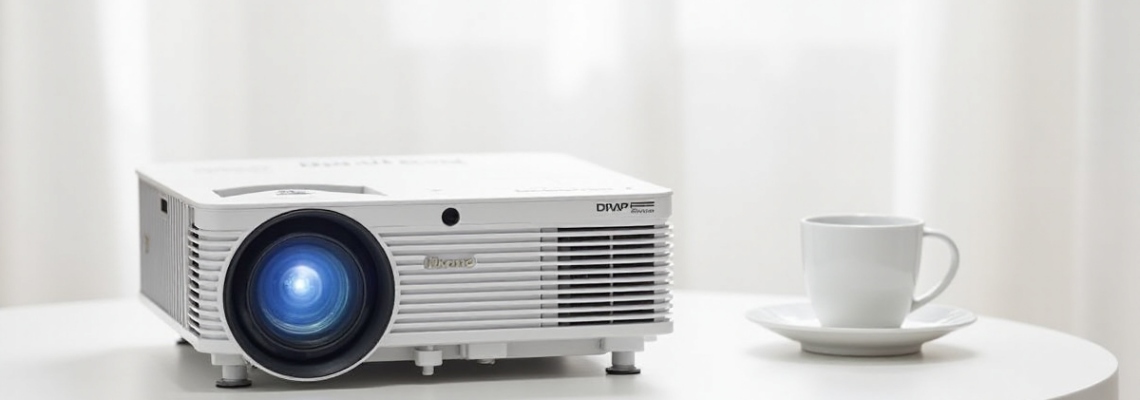
Creating a cinematic experience in a bright living room presents a unique challenge. Standard projectors often produce washed-out images when competing with sunlight or ambient lighting. Selecting the wrong model can lead to a disappointing and frustrating viewing experience.
This guide provides a detailed framework for choosing a projector that delivers a vibrant, clear picture even in well-lit conditions. We will break down the critical technical specifications and features that make a projector suitable for a bright room environment. You will learn how to evaluate brightness, contrast, screen technology, and other essential factors to make an informed decision for your home.
🔒 Protect Your Privacy Online
Get up to 80% off NordVPN — the #1 rated VPN service
Get NordVPN Deal →Brightness (Lumens)
Brightness, measured in ANSI lumens, is the most critical specification for a projector in a bright room. It determines the projector’s ability to overcome ambient light. A higher lumen count ensures the image remains visible and vibrant without requiring complete darkness.
For a living room with windows or regular ambient lighting, a minimum of 3,000 ANSI lumens is necessary. For spaces with very large windows or numerous light sources, consider projectors rated at 4,000 lumens or higher. This high brightness level allows for comfortable viewing during daytime without needing to draw blackout curtains.
Contrast Ratio and Image Processing
While brightness fights ambient light, contrast ratio defines the difference between the brightest whites and the darkest blacks a projector can produce. In a bright room, ambient light can severely reduce the perceived contrast, making blacks appear gray. A high native contrast ratio is essential for maintaining image depth.
Look for projectors with dynamic iris technology and advanced image processing chips. These features actively adjust the light output and enhance the picture in real-time to improve contrast. Technologies like HDR10+ and HLG (Hybrid Log-Gamma) are also important, as they optimize the image for a wider range of brightness levels.
Laser or LED Light Source
The type of light source in a projector impacts both brightness and long-term usability. Traditional lamp-based projectors can achieve high brightness but suffer from gradual dimming and require replacement every 3,000 to 5,000 hours. For a living room projector used daily, this can be inconvenient.
Laser and LED light sources are superior for bright rooms. They offer instant on/off functionality, maintain consistent brightness for over 20,000 hours, and often produce a wider color gamut. A laser-phosphor projector is an excellent choice for achieving the high, sustained brightness needed to combat ambient light.
Ambient Light Rejecting (ALR) Screen
Your screen choice is as important as the projector itself. A standard white screen reflects all light equally, including unwanted ambient light from lamps and windows. This washes out the image. An Ambient Light Rejecting (ALR) screen is designed specifically to counter this problem.
ALR screens have a special optical coating that reflects light coming from the projector’s lens while absorbing or diffusing light from other angles. This dramatically improves contrast and color saturation in lit environments. Pairing a high-brightness projector with a quality ALR screen is the most effective way to achieve a watchable picture in a bright living room.
Native Resolution and Sharpness
Resolution determines the clarity and detail of the projected image. For a large living room screen, a native 4K UHD (3840 x 2160) resolution is the standard for 2026. It provides a sharp, pixel-free image even when sitting relatively close to the screen. Be wary of projectors that advertise “4K Support” or use pixel-shifting to achieve a 4K-like image; native 4K panels deliver superior sharpness.
Consider the throw ratio, which defines how large an image the projector can create from a given distance. For flexible placement in a living room, a short-throw or ultra-short-throw projector can be advantageous. These models can project a large image from just a few feet away, reducing shadows and simplifying setup.
Connectivity and Smart Features
Modern projectors should integrate seamlessly into your home entertainment system. Ensure the projector has the necessary ports for your devices, such as at least two HDMI 2.1 ports for 4K/120Hz signals from gaming consoles and streaming devices. A USB-C port with display alternate mode is also becoming common for connecting laptops.
Many projectors now include built-in smart TV platforms. These integrated systems provide access to streaming apps without an external device. Look for platforms that receive regular updates and offer a user-friendly interface. Built-in audio is convenient, but for a true cinematic experience, plan to connect the projector to a dedicated soundbar or surround sound system.
Common Mistakes to Avoid
One common error is prioritizing a low price over adequate brightness. A budget projector with 1,000 lumens will be unusable in a bright living room, leading to immediate dissatisfaction. Always ensure brightness is the primary consideration.
Another mistake is neglecting the screen. Using a high-quality projector with a standard white wall or basic screen negates the benefits of its brightness and contrast. Investing in an ALR screen is non-negotiable for bright environments.
Buyers often confuse advertised resolution with native resolution. A projector that “accepts” a 4K signal but has a lower native resolution (like 1080p) will not display a true 4K image. Always verify the projector’s native panel resolution in the specifications.
Finally, overlooking the light source’s lifespan can lead to unexpected costs. A lamp-based projector may have a lower upfront cost, but the expense and hassle of replacing lamps every few years make a laser model a more cost-effective long-term investment.
Frequently Asked Questions
Related Articles
- 7 Best Smart Home Devices for Renters Who Can’t Renovate in 2026
- 7 Best Wireless Earbuds Under $150 for Gym Workouts in 2026
- 7 Best Smartwatches for 2026: Budget vs Premium Compared
🔒 Protect Your Privacy Online
Get up to 80% off NordVPN — the #1 rated VPN service
Get NordVPN Deal →🔒 Stop Reusing Passwords
NordPass generates and stores strong passwords across all your devices.
Try NordPass Free →