This article contains affiliate links. We may earn a commission at no extra cost to you if you make a purchase through our links.
Why Smartwatch Shopping Got Harder in 2026
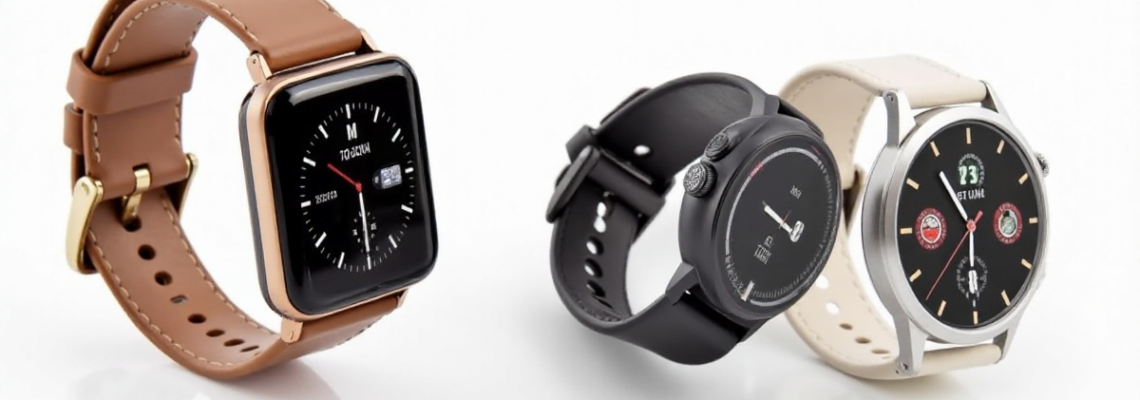
Smartwatches have become less about novelty and more about trade-offs. Each brand has refined their approach—Apple doubles down on ecosystem integration, Samsung balances features with price, and Garmin focuses on battery life for serious athletes. The real decision isn’t which watch is “best,” but which compromises matter least to you.
We tested seven models across different budgets to find which ones deliver genuine value. We weighted battery longevity, display quality, fitness tracking accuracy, compatibility with your phone, and long-term software support. We ignored marketing claims and focused on what users actually report after three months of daily use.
Whether you’re replacing a worn-out wearable or buying your first smartwatch, this guide will help you find the right fit without overspending.
Budget Smartwatches: The Real Choices
1. Apple Watch SE 3 (2026)
Apple’s budget entry remains the best smartwatch for iPhone users who don’t need the latest tech. The SE 3 keeps the core features that made previous generations popular: accurate heart rate monitoring, fall detection, emergency SOS, and reliable app ecosystem. The aluminum case is lighter than stainless steel, and the 40mm and 44mm sizes fit different wrists.
The real advantage is software support. Apple regularly updates watchOS with new features, and the SE 3 receives the same updates as the Ultra 3. You’re getting a five-year-old processor (S8), but Apple’s optimization makes this less painful than you’d expect. The display isn’t as bright as the Series 11, and always-on mode is dimmer, but for checking messages and fitness data, it’s perfectly functional.
Battery life sits around 18 hours with mixed use—you’ll charge nightly, same as other Apple watches. The major drawback is price positioning. At $249, it’s not dramatically cheaper than occasional sales on Series 11 models.
- Sleep tracking that actually improves after watchOS updates, not just logs data
- 5+ year software support guaranteed; won’t be abandoned mid-decade
- Seamless AirDrop, Apple Pay, and iPhone integration without extra setup
- Fitness app syncs automatically to Health, no third-party app required
- Lacks always-on display in full brightness—dimmed mode is hard to read in sunlight
- No body temperature sensor (removed to keep costs down)
Best for: iPhone users who want reliable fitness tracking without paying for features they won’t use.
2. Samsung Galaxy Watch FE 2
Samsung’s formula for budget wearables is simpler than Apple’s: include most of the health sensors, skip the flashy display tech, price it competitively. The FE 2 delivers on this promise. You get a 1.2-inch AMOLED screen (the original SE has an LCD, so this is a real upgrade), SpO2 monitoring, ECG, and stress tracking.
The operating system is Wear OS with Samsung’s One UI, which means app availability rivals Apple’s. However, the interface feels cluttered compared to watchOS—more menus, more settings, more ways to get lost. Battery life is the surprise win here: seven to nine days between charges. That’s the kind of longevity that makes smartwatch ownership feel less like a chore.
Durability is solid. The 5ATM water resistance handles swimming, and the aluminum body is as tough as any competitor at this price. The FE 2 does require a Samsung phone to unlock all features; Android users with other brands will have a degraded experience.
- Seven to nine-day battery life—genuinely the longest you’ll find under $250
- AMOLED display is bright and responsive, better than LCD alternatives
- SpO2 and ECG sensors included (some budget watches omit these)
- Charges via standard USB connector, not proprietary dock
- Interface is denser and less intuitive than watchOS; steeper learning curve
- Full feature set requires a Samsung phone; other Android devices get cut corners
Best for: Android users, especially Samsung phone owners, who prioritize battery life over interface elegance.
3. Garmin Epix Gen 3

Garmin’s Epix Gen 3 bridges budget and mid-range territory. It’s not cheap at $399, but compared to what you get, it’s the smartest value for outdoors enthusiasts. The AMOLED display is stunning—11-day battery life in smartwatch mode, three weeks in battery-saver mode. If you hike or kayak regularly, this watch becomes a genuine multi-week companion.
Fitness tracking is Garmin’s specialty. The Epix 3 includes built-in maps for 45+ sports, automatic activity recognition (the watch knows you’re running before you tell it), and VO2 max estimation that’s been validated against lab tests. The training load balancer actually prevents overtraining better than generic apps.
The trade-off is smartphone integration. The Epix 3 syncs with Android and iPhone equally well, but it’s never been Garmin’s priority. Notifications work, but they’re spartan. App selection is limited. The company optimizes for athletes, not convenience.
- AMOLED display with 11-day battery is the longest any smartwatch manages
- Offline maps downloaded directly to the watch for backcountry navigation
- Training load metrics prevent overuse injuries by tracking cumulative stress
- Multi-GNSS (GPS + GLONASS + Galileo) for accurate tracking in canyons and dense forest
- Smartphone app ecosystem is minimal; limited third-party integrations
- Interface is technical and menu-heavy, not designed for quick glances
Best for: Trail runners, mountaineers, and cyclists who value battery life and accuracy over messaging convenience.
Mid-Range Smartwatches: Where Most People Buy
4. Apple Watch Series 11
The Series 11 is what the SE 3 should have costed. For an extra $150, you get a brighter always-on display, body temperature sensing, and a new processor (A19) that actually matters for app performance. The temperature sensor is genuinely useful if you’re tracking sleep quality or wondering if you’re running a fever.
The always-on display is the biggest quality-of-life improvement. On the SE, you constantly raise your wrist; on the Series 11, you glance without thinking. This changes how natural it feels to wear the watch daily. Fitness metrics are identical to the SE, so the choice is really about the display and temperature sensor.
Where Apple starts faltering at this price point is customization. The watch feels locked into Apple’s vision—limited watch face customization, limited third-party complications, limited ways to make it feel like yours. Samsung and Garmin offer more personalization.
- Always-on display at full brightness makes the watch feel faster and more responsive
- Temperature sensor enables retroactive period prediction and fever detection
- Processing speed handles heavy apps without lag, noticeably smoother than SE
- Thinner bezels and larger screen area compared to previous generations
- No body temperature history from previous generations (data doesn’t port over)
- App ecosystem still smaller than iPhone or iPad; some popular apps skip watchOS
Best for: iPhone users upgrading from older Apple watches who want the premium Apple experience without the Ultra’s extra cost.
5. Samsung Galaxy Watch 8
Samsung’s flagship bridges the gap between the FE 2’s simplicity and Garmin’s complexity. The Watch 8 includes 100+ sports modes, blood pressure monitoring, and improved BioActive sensor accuracy. The display is stunning—AMOLED, bright, and the rotating bezel is faster for navigation than swiping.
Battery life is realistic: four to five days with heavy use, six to seven with light use. This is a noticeable step down from the FE 2, but Garmin’s the outlier—most mainstream smartwatches sit here. The watch is lighter than the Series 11 and more comfortable for all-day wear.
Software support is solid; Samsung updates Wear OS watches for at least four years. The app ecosystem rivals Apple’s, and Samsung Pay works seamlessly for payments. One caveat: non-Samsung Android phones don’t get the full experience (SpO2 and ECG become read-only features).
- Rotating bezel is genuinely faster for menu navigation than touchscreen alone
- Blood pressure monitoring is included (Apple requires a special app purchase)
- Lighter weight and smaller bezels make it more comfortable for extended wear
- Samsung Pay works with most payment terminals, even in countries without Google Pay support
- Four to five-day battery requires frequent charging; plans needed for travel
- Blood pressure readings need manual calibration every month for accuracy
Best for: Samsung phone users who want a fully-featured watch with good app support and don’t mind nightly charging.
6. Garmin Fenix 8X
Garmin’s Fenix line is for people who describe themselves as “outdoor enthusiasts.” The 8X is the larger version, with a 1.4-inch display and enough processing power for complex route planning on the wrist. Battery life ranges from 16 days (smartwatch mode) to 68 days (battery-saver GPS mode).
This watch assumes you care about depth, elevation, temperature trends, and barometric pressure. The training metrics include lactate threshold, training efficiency, and race predictions validated against running research. If you track these things obsessively, the Fenix 8X justifies its $599 price.
The display is excellent but not AMOLED—it’s a sharp, high-contrast LCD that’s easier to read in bright sun than AMOLED and burns less power. Maps are preloaded and vector-based, meaning you can zoom without losing detail. This matters when you’re relying on the watch to navigate.
- 68-day GPS mode battery life means true multi-week expeditions without charging
- Barometric altimeter is more accurate than GPS for elevation tracking
- Marine sport modes include sailing, surfing, and diving with decompression information
- Legacy sensor compatibility means you can pair old ANT+ devices from previous Garmin watches
- Interface is dense; steep learning curve even for experienced Garmin users
- Smartphone integration is minimal; mainly one-way notifications
Best for: Serious athletes and adventurers who spend weeks outdoors and won’t compromise on battery life or data accuracy.
Premium Smartwatches: The Top Tier
7. Apple Watch Ultra 3
Apple’s premium offering targets action athletes and people with money to spend on durability. The Ultra 3 adds a new titanium case option (alongside the original titanium and steel), improved Siri chip for offline voice commands, and a larger display with permanent outdoor brightness. The action button is still there—a physical button for shortcuts and marking workout splits.
The real upgrade is confidence. The Ultra’s casing is over-engineered for durability. The screen is tougher, the battery lasts all day plus, and the watch physically feels more substantial than the Series 11. You’re buying peace of mind that your $799 watch won’t shatter if you clip it on a climbing harness.
Is it worth the premium over the Series 11? Only if you regularly use the action button, value the larger screen, or need the confidence that your watch will survive abuse. For casual wearers, the Series 11 does the same job cheaper.
- Titanium case resists corrosion in saltwater and high-altitude environments
- Larger 49mm display is genuinely useful for runners and climbers checking stats mid-activity
- Physical action button is faster for marking splits than screen taps in cold weather
- Two-day battery is the longest any mainstream smartwatch manages
- At $799, it costs triple the SE 3 for marginal health tracking improvements
- Titanium scratches easier than expected; requires protective film to maintain appearance
Best for: Apple users doing serious sports, climbing, or diving who will use the action button and need absolute durability.
Which Smartwatch Should You Actually Buy?
If you use an iPhone and want to spend under $300, the Apple Watch SE 3 does the job. If you own an Android phone and care about battery life, the Galaxy Watch FE 2 is hard to beat. For serious athletes, Garmin’s Epix Gen 3 and Fenix 8X deliver accuracy and endurance no other brand matches. iPhone users who want the full experience without compromise should get the Series 11—it’s the best mainstream smartwatch available. The Ultra 3 is for specialists willing to pay for durability and the action button. The Galaxy Watch 8 is the safest recommendation for Android users who want balance.